
(01) Pillar D · Logistics
Move the productinto the U.S.
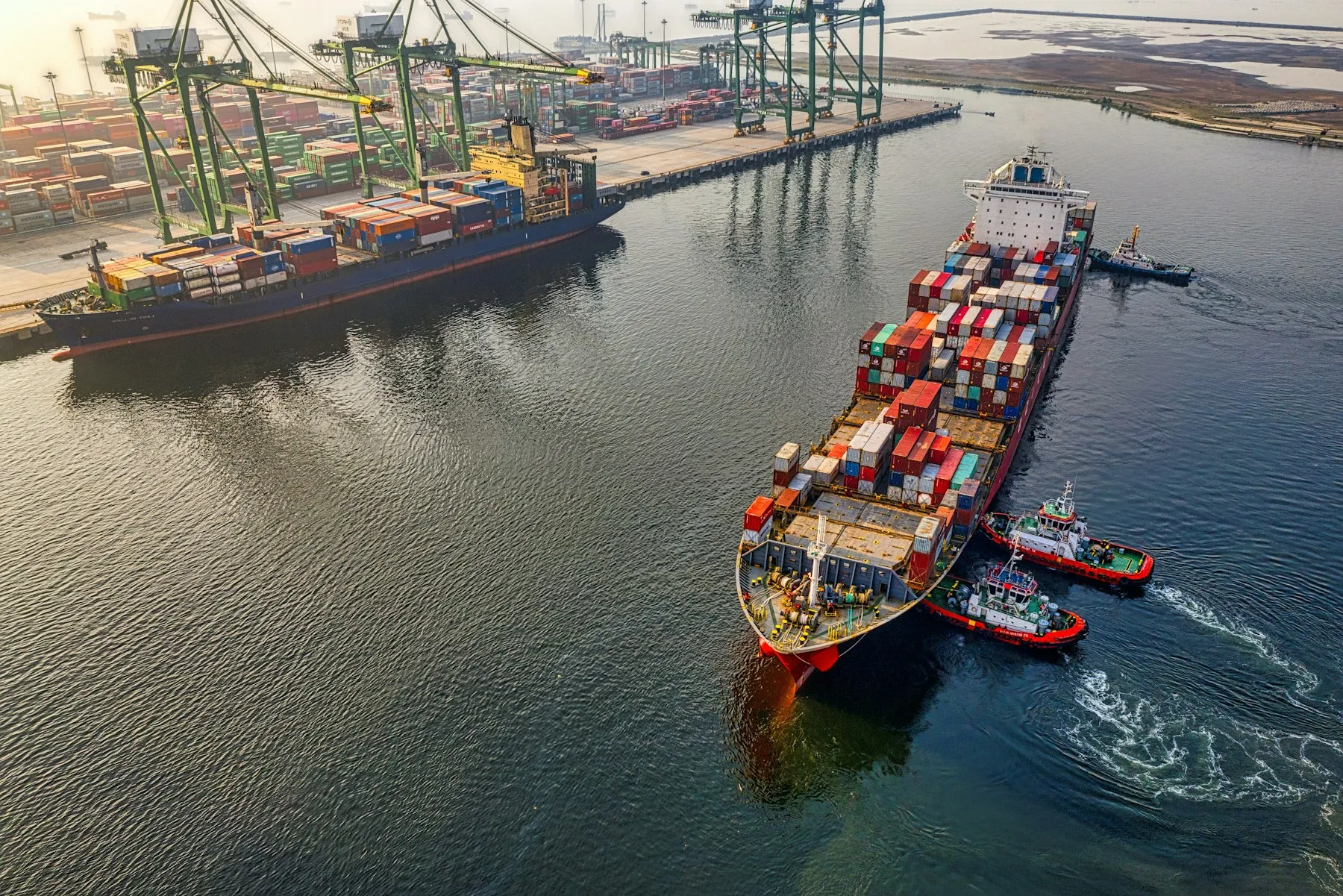
A U.S. sale is only successful when the product reaches the customer compliantly, quickly and economically. We connect import readiness, labeling, regulatory coordination, U.S. inventory and fulfillment into one operating model—supporting marketplace preparation, DTC orders, returns and quality control from the same U.S. infrastructure.
- Scope:
- Import → Returns
- Warehouse:
- U.S. 3PL partner
- Serves:
- Amazon FBA · Walmart · DTC
- Role:
- Coordination with specialists
(02) U.S. 3PL
One inventory pool for every channel.
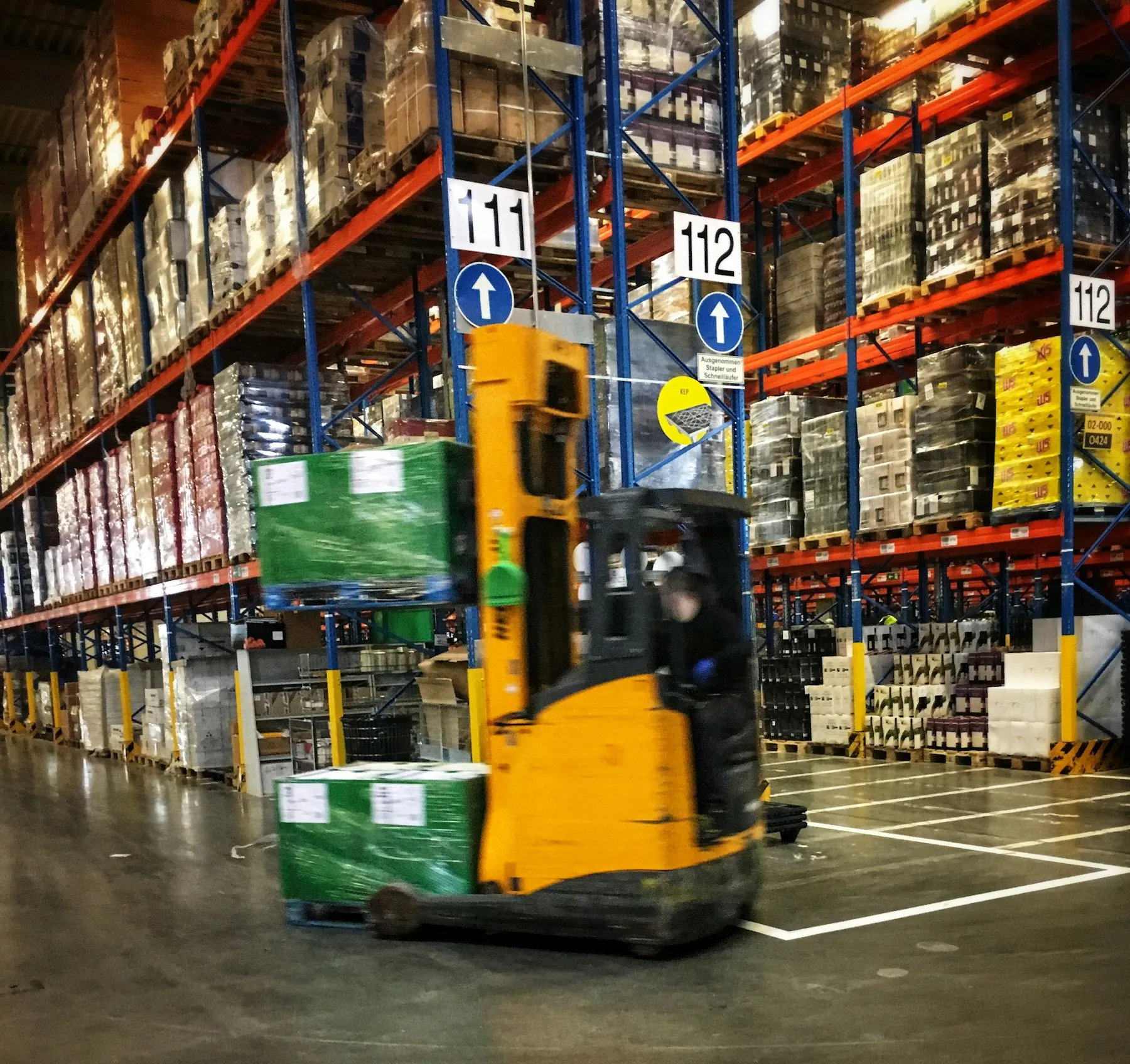
For a foreign brand, a U.S. 3PL is not just storage. It is the operating bridge between imported inventory and Amazon, Walmart and DTC orders, and the domestic point for receiving, inventory control, returns and quality management.
We coordinate the 3PL operation so your inventory stays controlled and shipping stays efficient.
- Receiving, storage and inventory control
- Prep, labeling, kitting and bundles
- Shipping to customers (DTC) and to Amazon FBA centers
- Returns and quality control
- Inventory visibility for your team
(03) Rules that changed the math
What every importer should know.
(01) CBP
No more $800 shortcut
Since August 29, 2025, goods valued at $800 or less from all countries generally lost duty-free de minimis treatment and became subject to applicable duties, taxes and fees.
(02) CBP
The importer is accountable
The importer of record remains responsible for accurate entry documentation, duties, taxes and fees—even when a customs broker is used.
(03) FDA
Same standards as U.S. products
FDA-regulated products must meet the same requirements whether imported or made domestically; noncompliant goods may be detained or refused.
(04) FDA
Food has its own controls
Imported food may require facility registration, prior notice and truthful English labeling, and incoming products are subject to inspection.
Requirements vary by product category and agency. We coordinate with qualified customs, regulatory and legal specialists; we do not replace them.
(04) Landed cost
From selling price to contribution margin.
Pricing cannot be finalized until logistics and compliance assumptions are understood.
| Line | What goes in |
|---|---|
| Selling price | What goes inThe price the U.S. customer pays on each channel |
| − Landed product cost | What goes inProduct, freight, duties, tariffs, brokerage |
| − Channel fees | What goes inMarketplace referral and selling fees |
| − Fulfillment | What goes inStorage, pick and pack, prep and shipping |
| − Payment costs | What goes inProcessing fees on each order |
| − Acquisition | What goes inAdvertising and promotions |
| − Returns | What goes inExpected return rate, reverse logistics and disposal |
| = Contribution margin | What goes inWhat each order really contributes |
(05) Before the first shipment
The questions we work through with you.
(01)
Can it enter?
- Which U.S. agency regulates the product?
- Are labels and packaging compliant?
- Who classifies the product under the right HTS code?
- Who acts as importer of record?
(02)
Inventory and costs
- How are duties, taxes, freight and brokerage calculated?
- How much inventory should we send initially?
- How will inventory be replenished?
- What happens if a shipment is detained or rejected?
(06) Returns
About one in five online sales comes back.
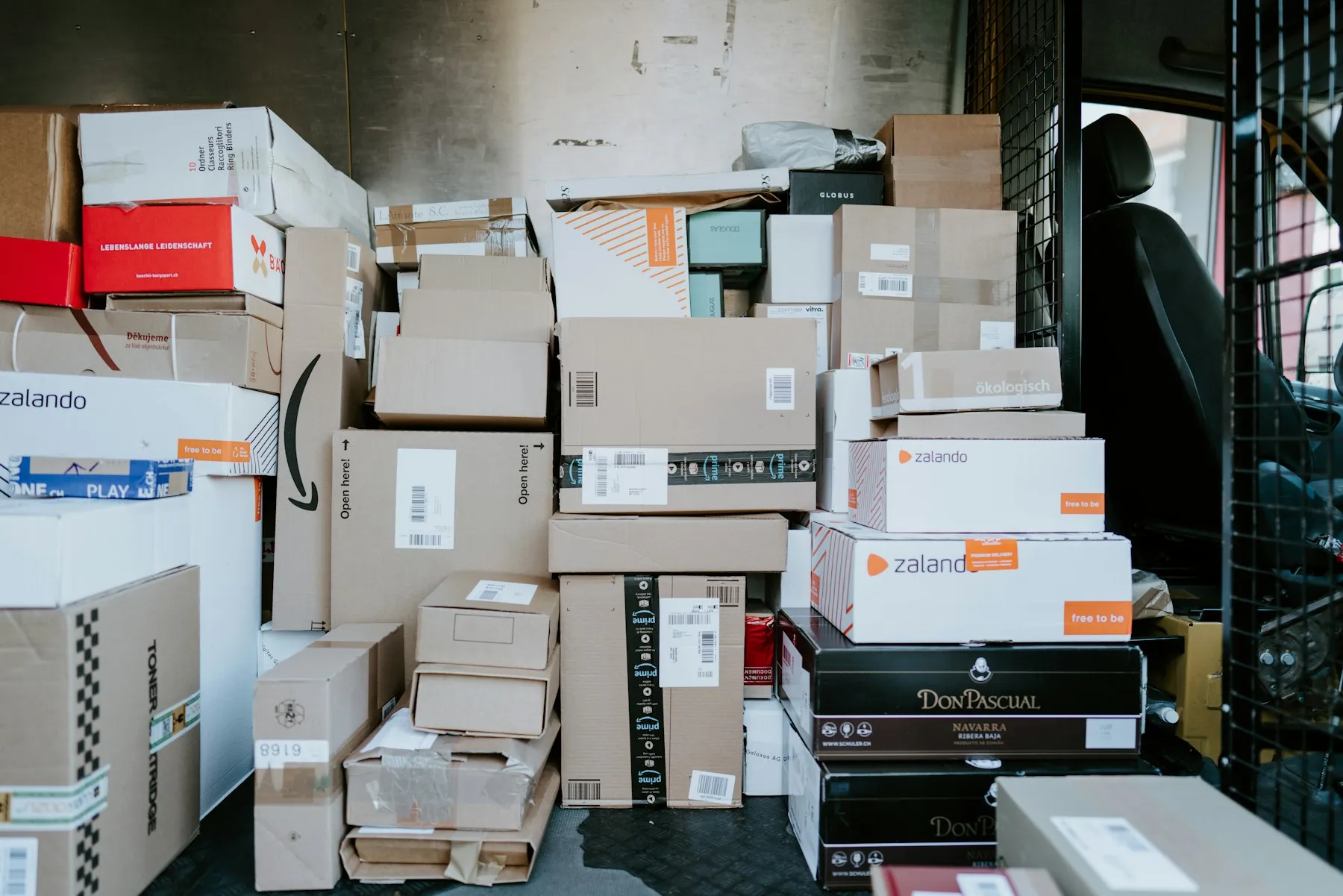
The National Retail Federation estimated a 19.3% online return rate for 2025, and 82% of consumers say free returns matter when they shop online. Outbound shipping is only half of the operation.
We set up the reverse flow so returns become commercial intelligence instead of lost margin.
- Receiving rules and product inspection
- Return authorization and reverse logistics
- Restocking and disposition procedures
- Visibility into why products come back
(07) Questions
About import and fulfillment.
Who acts as importer of record?
That structure has to be defined before product moves. The importer of record carries legal responsibility for entry, duties, taxes and fees, so we work it out with you and with a customs broker as part of readiness.
Can one inventory serve Amazon, Walmart and our store?
Yes, that is the role of the U.S. 3PL: one domestic inventory that prepares FBA shipments and fulfills Walmart and DTC orders, with returns and quality control in the same place.
Do you guarantee regulatory compliance?
No one should. We provide regulatory readiness and coordinate with the appropriate specialists according to your product category, importer structure and agency requirements.
(08) Next pillar
Then the business has to run.
- (01)Monthly operationsMonthly marketplace operation for international brands - account health, catalog, inventory, advertising and KPI reporting focused on profitability.
- (02)U.S. strategy & business planDemand, competitors, U.S. pricing, landed costs and margins turned into a 90-day, 6- and 12-month roadmap before you commit inventory.
- (03)FAQAnswers to the questions international manufacturers ask before entering the U.S. - readiness, channels, import, compliance, timing and results.
(08) Next step
Is your brand ready for the U.S.?
Book a strategic assessment to review your product, market opportunity, regulatory requirements, landed margins, sales channels and recommended launch path.